Beyond the Price Tag: What Truly Makes a Gourmet Gift Feel Luxurious?
We’ve all been there. The annual Husband and Father gifting cycle hits, and suddenly you’re tasked with finding something that screams, "I thought of you," without screaming, "I spent too much." You scroll through endless gift guides, battling the overwhelming chorus of generic suggestions—the novelty socks, the predictable bottle of wine, the artisanal soap that smells vaguely of mountain air.
The pressure is real. For those of us curating gifts for someone we deeply care about—a father, a partner, a best friend—we want the recipient to feel genuinely seen and spoiled. We don’t just want them to open a box; we want them to experience a moment.
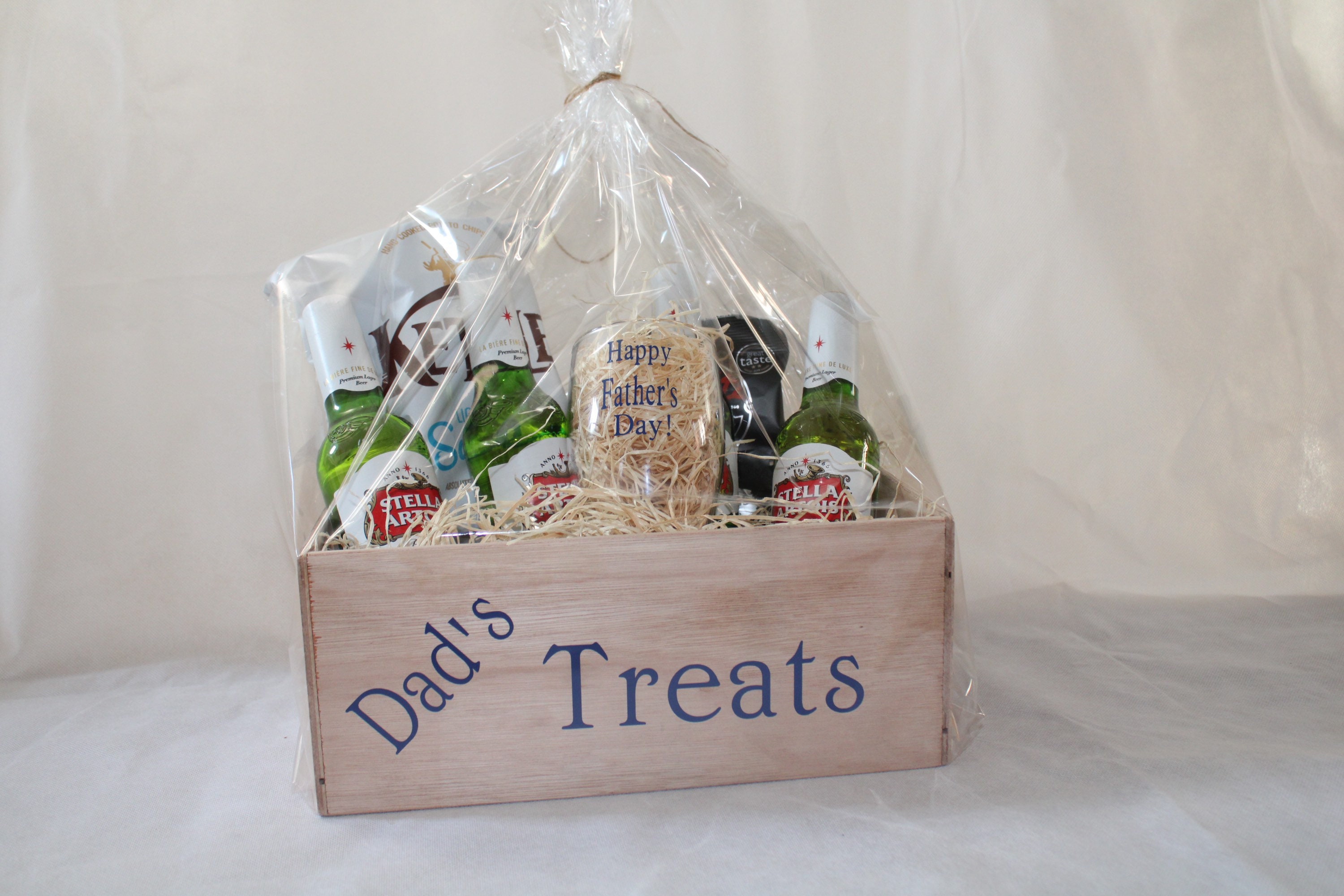
If you've ever wondered what separates a nice gift from one that feels truly luxurious, stop looking at the price tag. The secret isn't about scarcity or gold leaf; it’s an entirely different kind of craftsmanship—the craft of thoughtful curation. Luxury in gifting is less about material value and everything to do with narrative, sensory depth, and provenance.
It’s Not Just a Product; It’s a Story
The moment you buy something that came off the shelf at a big box store, it carries zero backstory. When you choose a gourmet item, you are buying into a narrative. True luxury goods—especially local ones—are inseparable from their origin story.
When we talk about making a gift feel high-impact, we must focus on provenance. Where did this cheese come from? Who tended those grapes in the Yarra Valley? What specific microclimate allowed that chocolate to achieve its unparalleled depth?
This dedication to place and person transforms an object into an artifact. Instead of handing over a tin of biscuits, you are gifting a taste of Tasmania’s misty coastline, or a whisper of high-country Australian wheat. The story elevates the item instantly. When a gift has roots—roots in a Visit the website specific region, a dedicated family farm, or an innovative local artisan—it feels intentional and meaningful.
Engage All Five Senses (The Sensory Deep Dive)
A generic gift targets one sense: sight, perhaps. A gourmet gift should be an experience that engages multiple senses simultaneously. Think about the elements of luxury when you take your time to appreciate them:
- Sight: The careful arrangement in the box; the deep, rich color of the product against natural wood or linen.
- Smell: This is often the biggest giveaway. A gift package that smells earthy, sweet, or smoky—think aged leather mingling with cured meats, or roasted coffee beans mixing with cedarwood notes—is instantly sophisticated.
- Touch: The weight of the packaging; the texture of a beautifully woven linen napkin tied around a cheese wheel. Quality materials matter as much as the contents.
- Taste: Obviously central, but remember that taste is only part of the equation.
A truly luxurious presentation doesn't just hold items; it frames them. It turns what would otherwise be an assortment into a curated sensory journey.
The Power of Complementary Pairing (Curating the Moment)
One of the biggest mistakes people make when gifting gourmet items is buying things that stand alone. A beautiful jar of jam is lovely, but it’s merely an object. When you pair it with something else—say, a specialty crusty loaf from a local baker and a small pot of complementary spiced butter—it suddenly becomes a complete moment.
This is the art of curating an experience. You are not buying three items; you are buying the potential for a shared afternoon: the sound of crunching bread, the scent of warm herbs, and the sweet burst of jam on toast.
I remember years ago trying to buy my father a nice gift after a particularly stressful holiday season. I ended up with a beautiful, expensive bottle of Australian olive oil. It looked luxurious, but it felt… lonely. My sister pointed out that we needed context. She suggested pairing it not just with bread, but with artisanal balsamic vinegar and a small tin of sun-dried tomato pesto. Suddenly, the oil wasn't just an ingredient; it was the star of a planned Italian charcuterie board moment. The difference between 'nice' and 'luxurious' was that simple addition—the thoughtful pairing.
“The best gift isn’t one you buy; it’s one you curate.” — A sentiment I often hear from seasoned sommeliers, and it rings absolutely true for every corner of the gourmet world.
Making It Feel Luxe: Three Final Checks
If you are standing in an Australian market or browsing a specialty shop and need to instantly gauge if a gift set will hit that "wow" factor, run through these three checks:
- Does it tell a story? If the label doesn't mention who made it or where exactly it was made, ask. The most luxurious items have proud lineages.
- Is it 'together'? Are the elements complementary rather than just random assortments? (E.g., Don’t pair a chocolate truffle with spicy mustard; pair them both with something that grounds them, like roasted nuts).
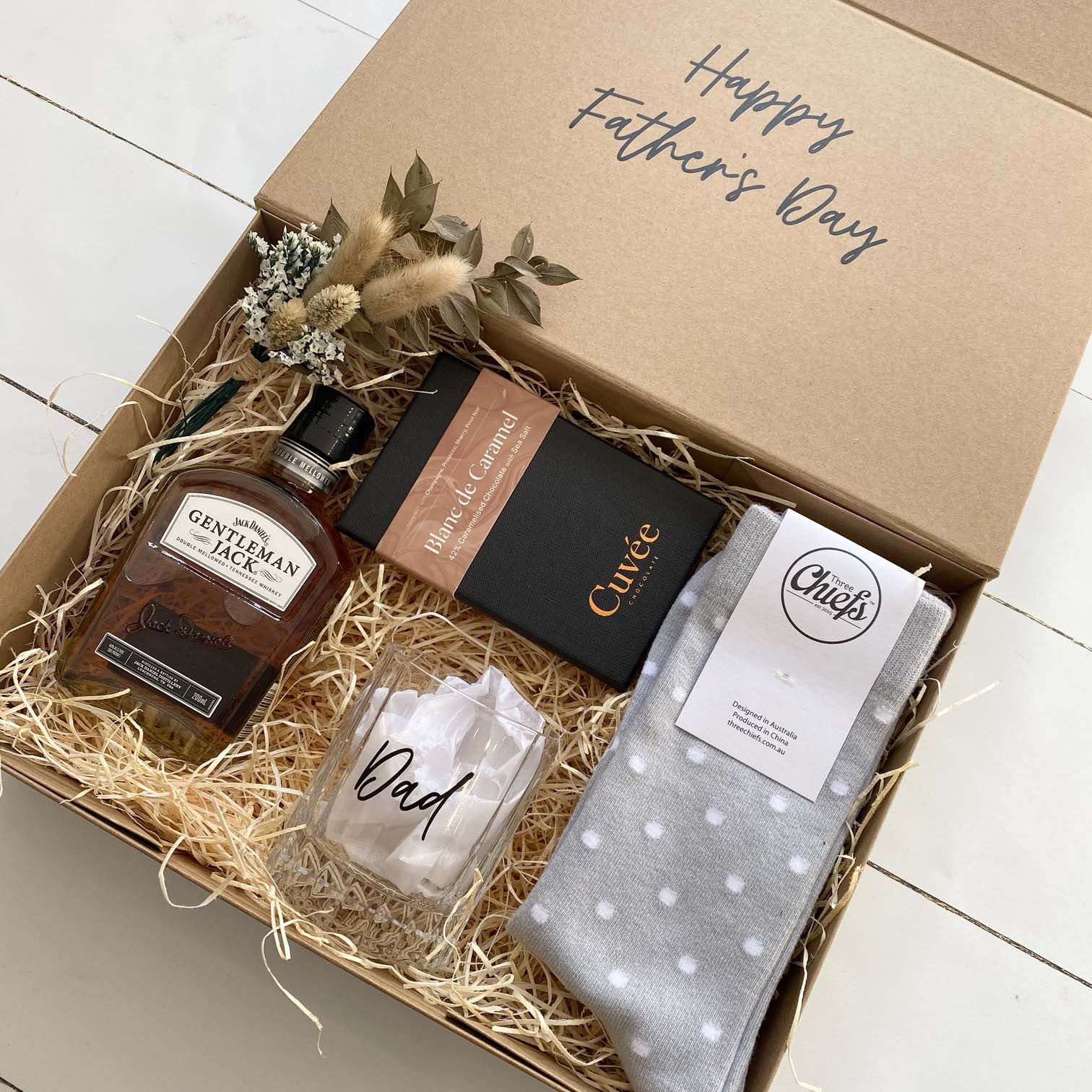
- Does the packaging elevate the anticipation? From the moment the recipient sees the box—the ribbon, the handwritten tag, the quality of the materials—it must promise an experience waiting inside.
The goal in gifting is to communicate appreciation without needing words. You want your gift to speak volumes through its careful composition. When you focus on the narrative, the sensory journey, and the impeccable local craftsmanship that Australian gourmet producers offer, you move far past merely buying a nice thing. You are giving an unforgettable experience—one that lingers long after the last bite is taken and the box is opened.